


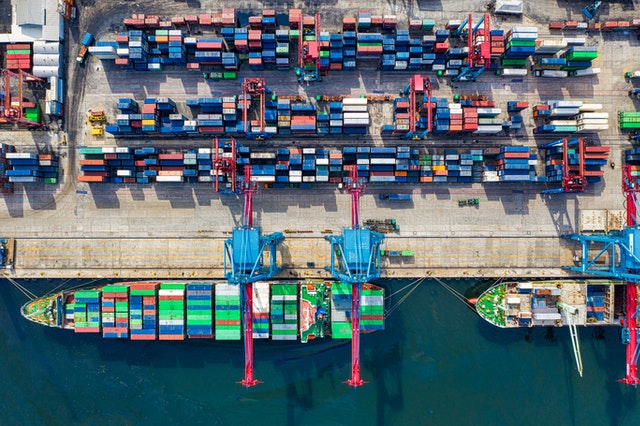
The COVID-19 pandemic spurred a supply chain crisis as businesses were forced to halt operations to slow the spread of the virus and prioritize employee health and safety measures. In addition, consumer demand increased more than 15% compared to two years ago, according to Bloomberg News. As business operations begin to normalize, the exploding consumer demand is causing bottlenecks throughout the global supply chain.
This article discusses contributing factors to the supply chain crisis, how businesses can minimize vulnerabilities and the different types of insurance that could cover supply chain-related claims.
Factors Contributing to the Supply Chain Crisis
Since supply chains rely on people and equipment, delays and costs increases occur when there is a shortage of either. Supply chain disruptions not only create higher prices and scarcity among high-end consumer products, but they also affect basic commodities, such as generic drugs or energy, increasing the cost of living and the provision of basic needs. The following are some contributing factors of the supply chain crisis:
- COVID-19 – There is a current supply and demand mismatch resulting from the COVID-19 pandemic. Supply chain problems arose as consumer demand increased and factories suspended production.
- Cyber risk – The COVID-19 pandemic forced companies to accelerate their digital transitions, resulting in more critical data being shared in far-reaching global supply chains. As cyberattacks increase in frequency and severity, they can cause operational, financial and reputational damages that cannot be recovered or repaired.
- Port backlog – Ocean-shipped goods are accumulating faster than workers can move them along, leading to backlogs and elevated shipping costs.
- Truck driver shortage – According to the American Trucking Associations, there are an estimated 80,000 unfilled truck driving jobs in the United States. The driver shortage means that goods backlogged in ports and elsewhere can’t be moved.
- Natural disasters – Hurricanes, floods, blizzards and any natural disaster can disrupt global supply chains by postponing or pausing deliveries, closing ports and canceling cargo flights.
- Productions issues – For example, factories closing and increasing technology demands have led to the global chip shortage, affecting auto, gaming, smartphone and medical device manufacturing as well as other technology that requires semiconductors.
Business operations can become costlier, and stakeholder expectations for profit and sustainability may not be met during a supply chain crisis. Companies should put their energy and capital into short-term solutions that will make the most impact on their customers and stakeholders.
Minimizing Vulnerabilities
As supply chain industries continue to operate at reduced capacity, businesses can limit supply chain exposures by taking the following actions:
- Diversify supplier base. Using a single supplier can disrupt a business’ entire supply chain should an issue arise. Having a diverse supplier base disperses the risk and reduces risk impact.
- Have backup suppliers and vendors. There are several reasons a supplier may be unable to complete an order, including unprecedented demand or issues with their own supply chain. Identify suitable suppliers to use should problems occur with the primary supplier.
- Prepare a risk management plan. Identify and assess all current and potential risks that could disrupt business supply chains. Prepare procedures and responses for risks and build flexibility into business processes to adapt to disruptions.
- Aim for end-to-end supply chain visibility. Supply chains typically involve many operational stages, each with its own risks and challenges. Supply chain visibility can help mitigate risks by tracking progress and ensuring quick responses to any issues.
- Invest in cybersecurity. Some of the most common risks that affect supply chains include data leaks, breaches and malware attacks. Businesses should assess and improve current cybersecurity measures to mitigate supply chain risks.
- Purchase coverage. Specialty insurance policies can help businesses recover in the event of a supply chain crisis.
Insurance Solutions
Managing supply chain risks can be difficult since the risk factors tend to be complex. The following are insurance policies that respond to supply chain disruptions:
- Contingent business interruption (CBI) insurance – CBI insurance provides financial relief when a significant partner, supplier or manufacturer suffers a property loss large enough to negatively impact a business’ ability to operate. This type of insurance is generally triggered due to physical property damage, such as a fire or flood, that halts supplier operations.
- Extra expense coverage – Extra expense coverage may apply when a policyholder incurs additional expenses due to damage to the property of a supplier. For example, extra expenses may occur due to increased transportation, labor and logistical costs.
- Broader supply chain coverage – Supply chain insurance is deigned to provide more comprehensive coverage than CBI insurance. While there is no “standard” supply chain insurance, it can be customized to cover losses caused by a wide range of events, including:
- Natural disasters
- Industrial accidents
- Labor issues
- Production process problems
- Political upheaval, war, civil strife
- Riots or other disruptive civic action
- Road, bridge and other transportation infrastructure closures
- Public health emergencies
- Regulatory action
- Financial issues
Conclusion
While there is no definitive timeline for when the supply chain crisis will end, estimates range from early 2022 to 2023. In the meantime, businesses should be proactive in identifying and preventing supply chain disruptions. For more information contact us today.